Bookings now open!

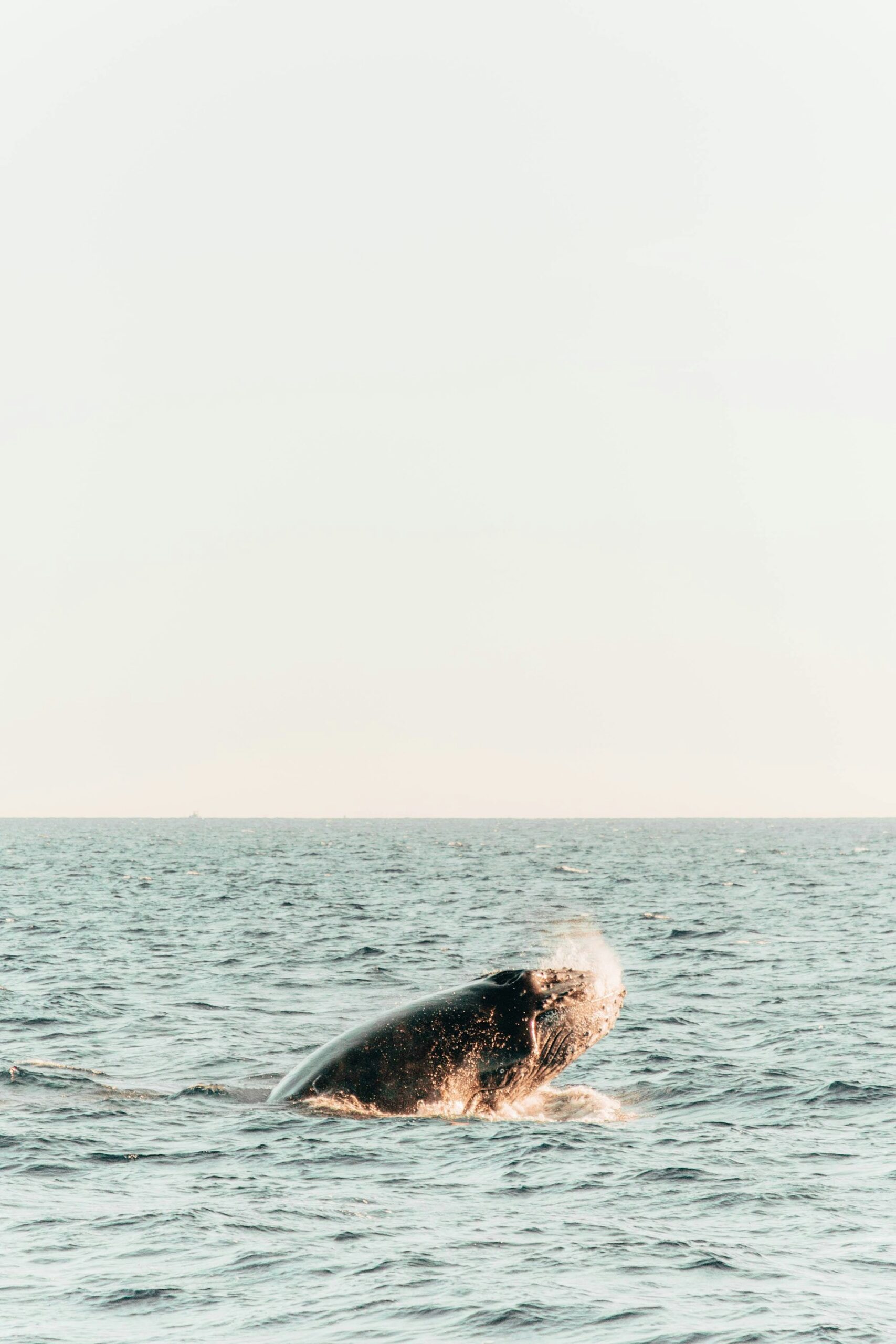
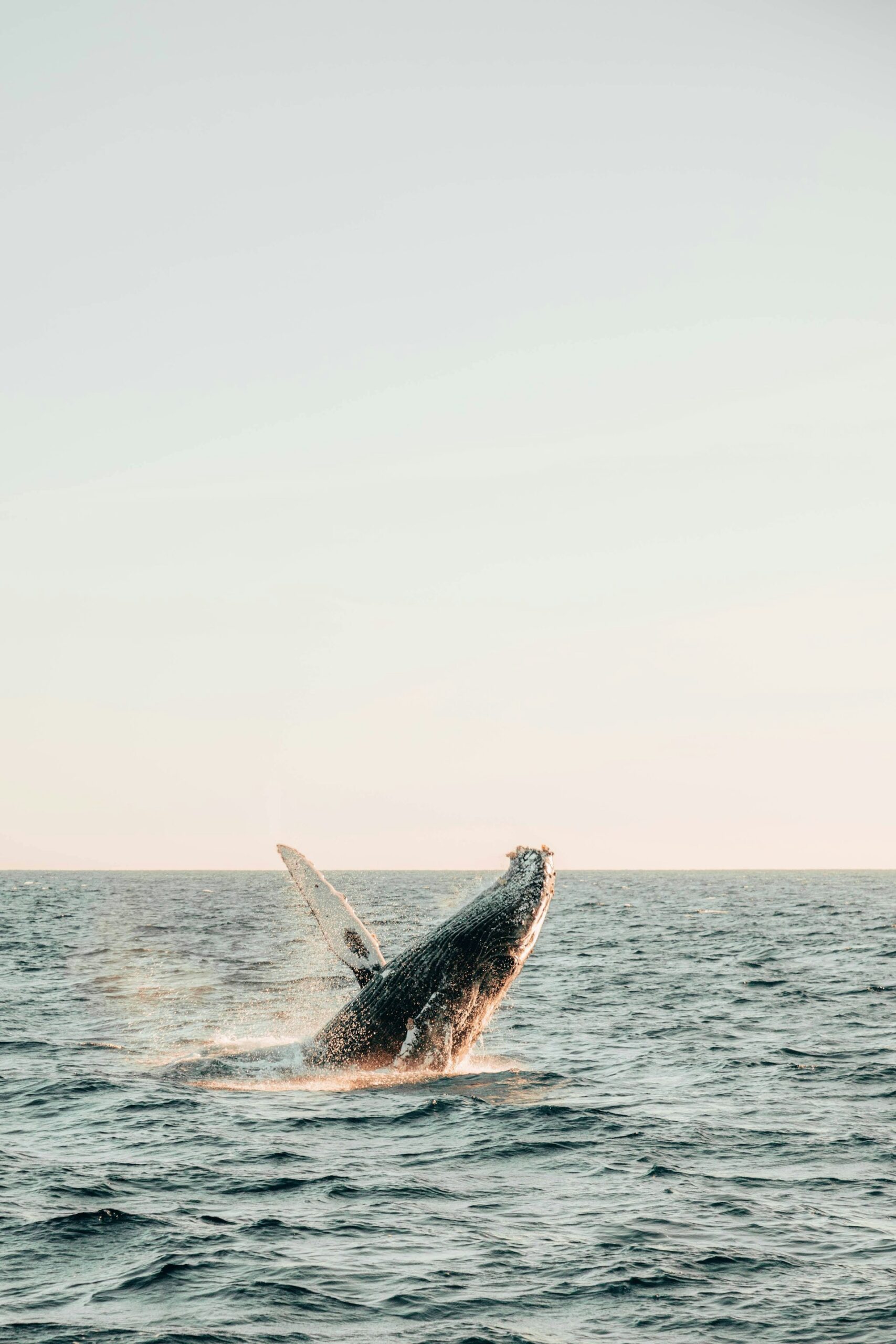
Cape Town is the best whale destination in the world to view one of nature’s most magnificent mammals up close.
Hermanus is the most well-known viewing spot to tourists, however anywhere along the Cape coastline can become your very own private whale-watching theater, from Cape Point through to Simonstown, Fish Hoek, Kalk Bay, and Muzinberg just to name a few!
Without fail, every year southern right whales migrate from their icy feeding grounds off Antarctica to warmer climates, reaching South Africa in June. The coastal waters teem with the giant animals, mating, calving, and rearing their young – and giving whale-watchers spectacular displays of raw power and elegant water acrobatics.
Protected in South African waters since 1935, their numbers have slowly crept back to a world population of some 4,000, most of which visit the country’s coastline every year. Playing, courting, and nursing Weighing in at about 60 tons and estimated to live as long as 100 years, the southern right whale (Eubalaena australis) has become a major tourist attraction up and down the South African coast. Their breeding ground is the sheltered bays of the Cape Coast, with the majestic mammals spending up to five months a year here.
Without a doubt, Southern Rights Whales are massive and rotund animals. Rounder and heavier than the humpback or Bryde’s whale and smaller only than the blue whale. They can be identified by their total lack of a dorsal fin, stubby square-ended flippers, and callosities, unusual wart-like growths, on the head.
Mostly a dark bluish-black colour, about 4% of calves are born entirely white. This is a sex-linked genetic trait. All white calves are male – and the colour darkens to the usual black as the animal matures. The breeding season is from late autumn to spring, from July to October.
Join us to experience this special nature show each year in Cape Town.